Hardworking
surfaces.
Serious protection.
Polyurea and hybrid coating systems selected for your surface, your environment and the demands of the job.
Protection built around
what your surface faces.
A concrete service area, a metal component and a containment berm face very different demands. Each needs a coating system chosen for its intended use.
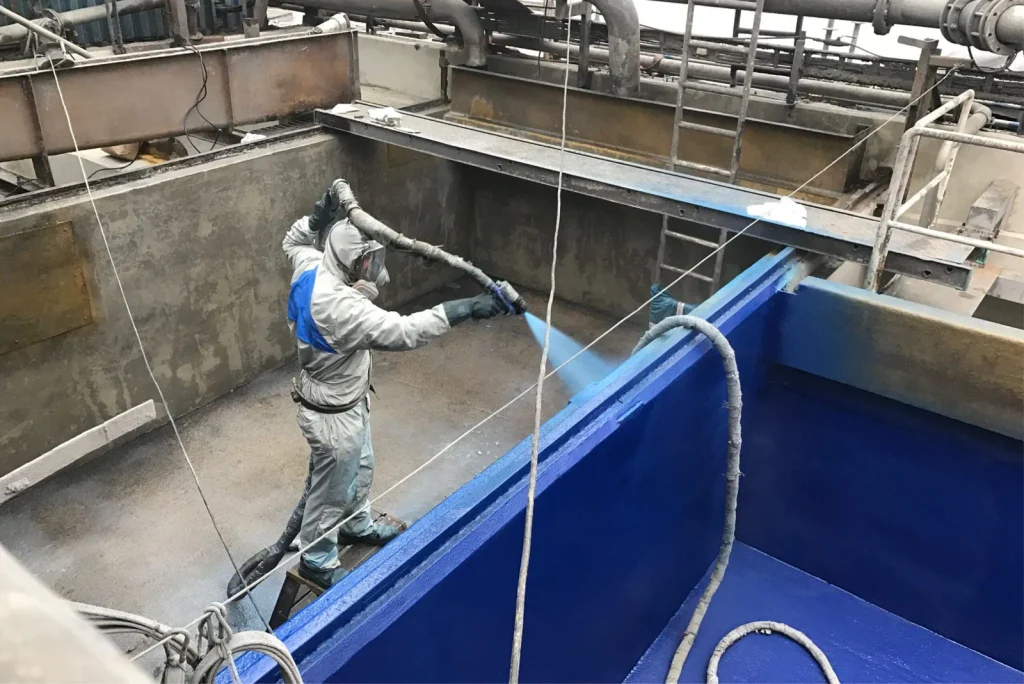
LoneStar Air Sealers helps you explore polyurea and hybrid coating options for compatible substrates. We start with the surface condition and expected exposure, then review preparation, product selection and application requirements.
Tell us what
it’s up against.
Water exposure, chemicals, sunlight, movement and daily traffic all influence the specification. We review those demands before recommending a system.
Different surfaces.
Purpose-built systems.
These are starting points for a project review. The selected formulation and complete coating system must be suitable for the actual conditions.
Industrial concrete
Explore coating options for compatible shop, service and process-area concrete. Traffic, moisture conditions and preparation requirements help determine the system.
Metal & equipment surfaces
Discuss protective coatings for compatible metal components and equipment surfaces exposed to demanding use. Existing corrosion and coatings must be evaluated.
Containment areas
Review options for berms, curbed enclosures and secondary containment surfaces. Chemical identity, concentration and temperature guide compatibility review.
Tank & specialty linings
Explore suitable lining systems for specific contents and operating conditions. Immersion service and any required approvals need to be confirmed.
Waterproofing applications
Consider compatible membrane systems where water exposure is a concern. Drainage, joints, penetrations and movement are part of the specification.
Specialty project specifications
Have plans or a manufacturer-specified coating system? Send the requirements so substrate suitability, application scope and technical needs can be reviewed.
Pure polyurea?
A hybrid system?
The best choice depends on the application and the documented properties of the specific product. We review the complete system, including primers and topcoats where required.
| Project factor | What we review |
|---|---|
| Substrate | Concrete, metal or another compatible surface; its condition, moisture and existing coatings. |
| Service exposure | Traffic, abrasion, impact, chemical contact, immersion and operating temperatures. |
| Outdoor use | UV exposure, weathering and any compatible topcoat needed for the desired appearance. |
| Finish & use | Color, texture, traction requirements, cleanability and the intended use of the surface. |
| Project timing | Preparation, application conditions and the manufacturer’s cure and return-to-service requirements. |
A good coating starts
before the spraying does.
Know the surface.
Review existing coatings, contamination, damage, corrosion and moisture conditions. Identify repairs and any additional assessment needed before coating.
Build the right foundation.
Define cleaning, removal of unsound material, surface profiling, repairs and priming according to the substrate and selected system.
Follow the specification.
Application conditions, specified thickness, detailing and return-to-service requirements guide the coating installation.
Your polyurea questions, answered.
Is polyurea suitable for my project?
It may be. Suitability depends on the substrate, condition, exposure and properties of the specific product. Photos, dimensions and a description of how the surface is used help us start the review.
Can you coat over rust or an old coating?
Those conditions need to be evaluated first. Corrosion, loose material, contamination or an incompatible previous coating may require removal or additional preparation before a new system can be applied.
Can polyurea be used outdoors?
Outdoor use depends on the formulation and complete system. Sunlight can affect the appearance of some products, so a compatible UV-resistant topcoat may be specified where color and appearance matter.
Is it suitable for chemicals or tank interiors?
That requires a product-specific compatibility review. Provide the contents, concentrations, operating temperatures and whether exposure is intermittent or continuous. Potable-water applications require a system with the applicable approvals for that intended use.
How soon can I use the coated surface?
Return-to-service times vary by product, site conditions and intended exposure. The system’s requirements for foot traffic, equipment use, chemical contact or immersion must be confirmed for the project.
How much does polyurea coating cost?
Cost depends on surface area, substrate condition, access, preparation, detailing and the specified system. Send photos and approximate dimensions for an initial discussion; a site visit or technical review may be needed for a firm quote.
Where do you offer coating services?
We serve the Brazos Valley and Montgomery County, including Bryan–College Station, Montgomery, Conroe and surrounding communities. Contact us to discuss your location and project requirements.
Show us the surface.
Tell us the challenge.
We’ll help you explore the right next step for your coating project.
Send your project location, photos, approximate dimensions and intended use. Include plans, chemical information or product specifications when available.
Request a polyurea coating quote