Stop Energy Loss.
Turn Up the Comfort.
Make Your Home Perform.
If your home is hot in some rooms, freezing in others, and your energy bills feel like a personal attack on your bank account—your problem probably isn’t your AC. It’s air leakage.
At LoneStar Air Sealers, we provide professional air sealing in College Station, Bryan, Montgomery, and surrounding Texas areas, helping homeowners and builders eliminate hidden air leaks that kill comfort, waste energy, and overwork HVAC systems.
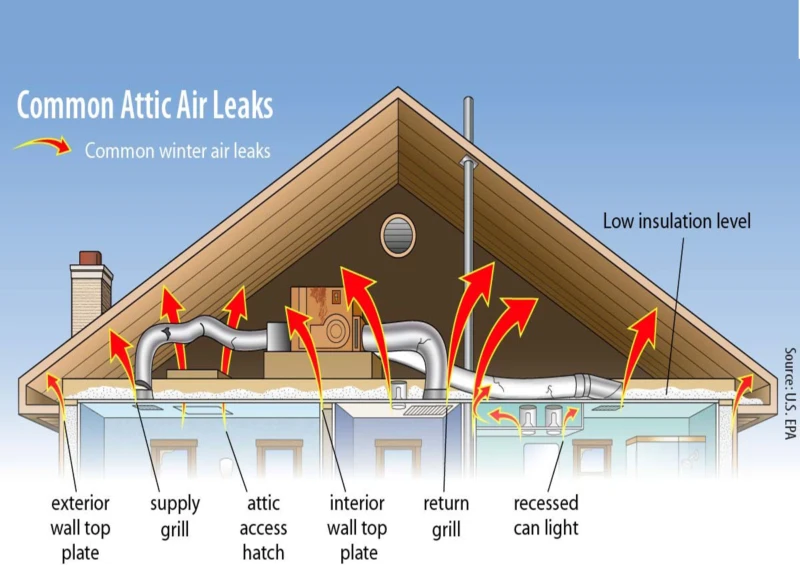
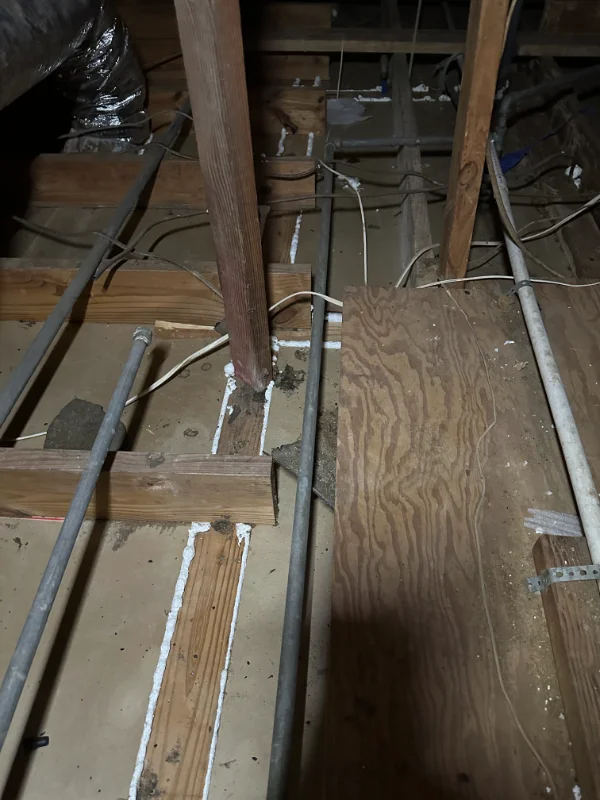
Most homes—yes, even new ones—are full of gaps and cracks in the attic and building envelope. These leaks allow hot, humid Texas air to pour in while your conditioned air escapes. The result? Higher bills, uneven temperatures, humidity problems, and a home that never quite feels right.
We fix that.
What Is Air Sealing (And Why It Actually Matters)
Air sealing is the process of closing up all the hidden gaps, cracks, and penetrations in your home that allow uncontrolled airflow.
And here’s the part most contractors won’t tell you:
Insulation does NOT stop air movement.
So if your home isn’t properly sealed, your insulation is underperforming—period.
That means:
- Your AC runs longer than it should
- Your home struggles to maintain temperature
- Humidity sneaks in and lingers
- Dust, allergens, and attic air enter your living space
Air sealing is what turns your home into a controlled environment instead of a leaky box fighting the Texas climate.
Air Sealing for New Home Construction in College Station & Bryan, TX
Building a new home? Good. Now let’s make sure it doesn’t perform like a 20-year-old one.
Most new construction homes in Texas are not properly air sealed. Why? Speed. Builders are moving fast, and detailed sealing of the building envelope is often skipped or rushed.
We come in before insulation and drywall and seal everything while it’s still accessible—when it actually matters.
What We Seal in New Construction:
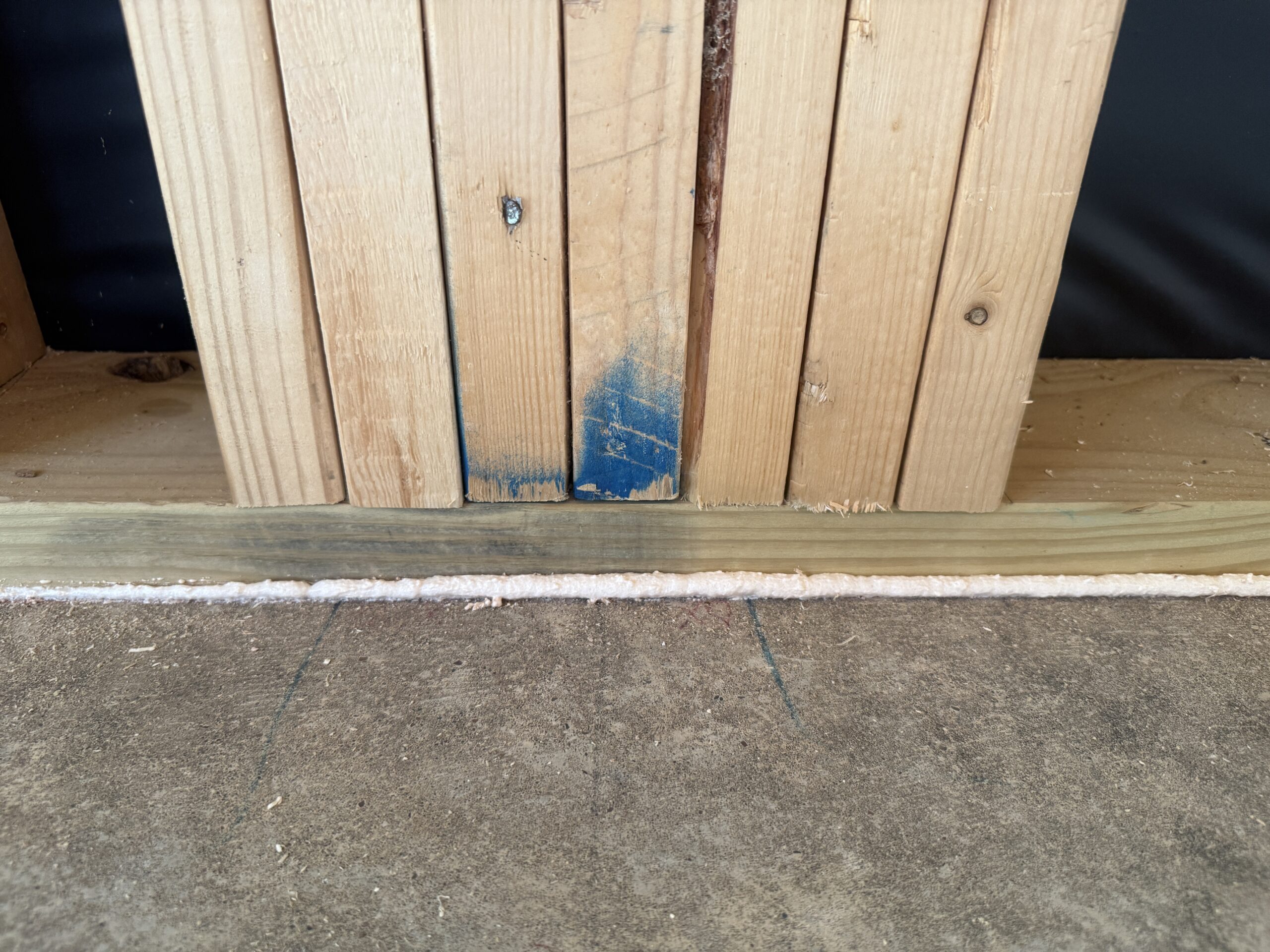
- Top plates and framing transitions
- Electrical and plumbing penetrations
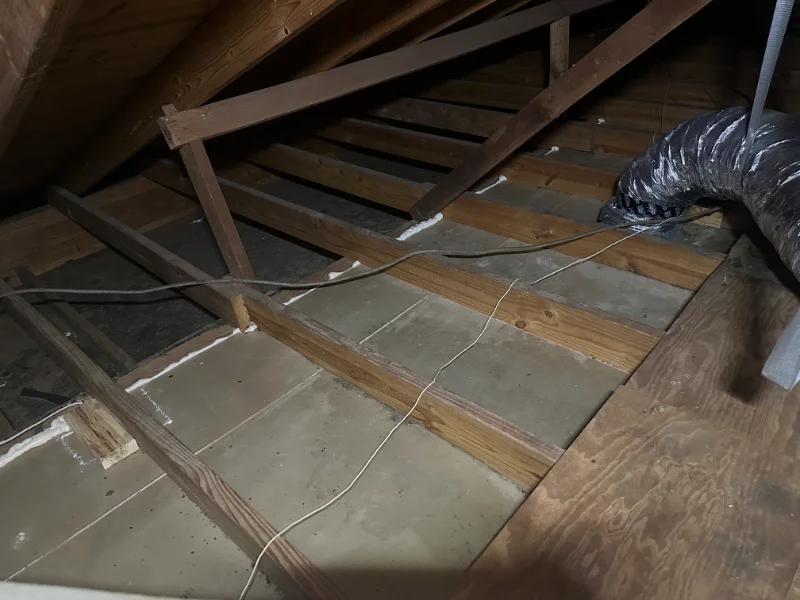
- Attic bypasses and open chases
- Duct connections and boots
- Wall-to-attic intersections
- Any gap that allows airflow
Why This Matters:
- Lower energy bills from day one
- Better temperature consistency throughout the home
- Reduced humidity intrusion (huge in Texas)
- Improved indoor air quality
- Less strain on your HVAC system
- Better HERS scores and code compliance